explore consol bottles south africa for your business
The Craft of Glass Packaging: Elevating Your Brand With Eco-Friendly Glass Bottles
The craft of glass packaging provides brands with an exceptional opportunity for distinction. Via eco-friendly approaches, glass bottles improve aesthetic presentation while resonating with environmentally aware consumers. Their intrinsic properties, encompassing recyclability and material safety, demonstrate a steadfast commitment to excellence. As brands navigate this evolving landscape, grasping the diverse advantages and obstacles of glass packaging is critical for sustained growth. What forward-thinking methods are companies adopting to fully harness these opportunities?
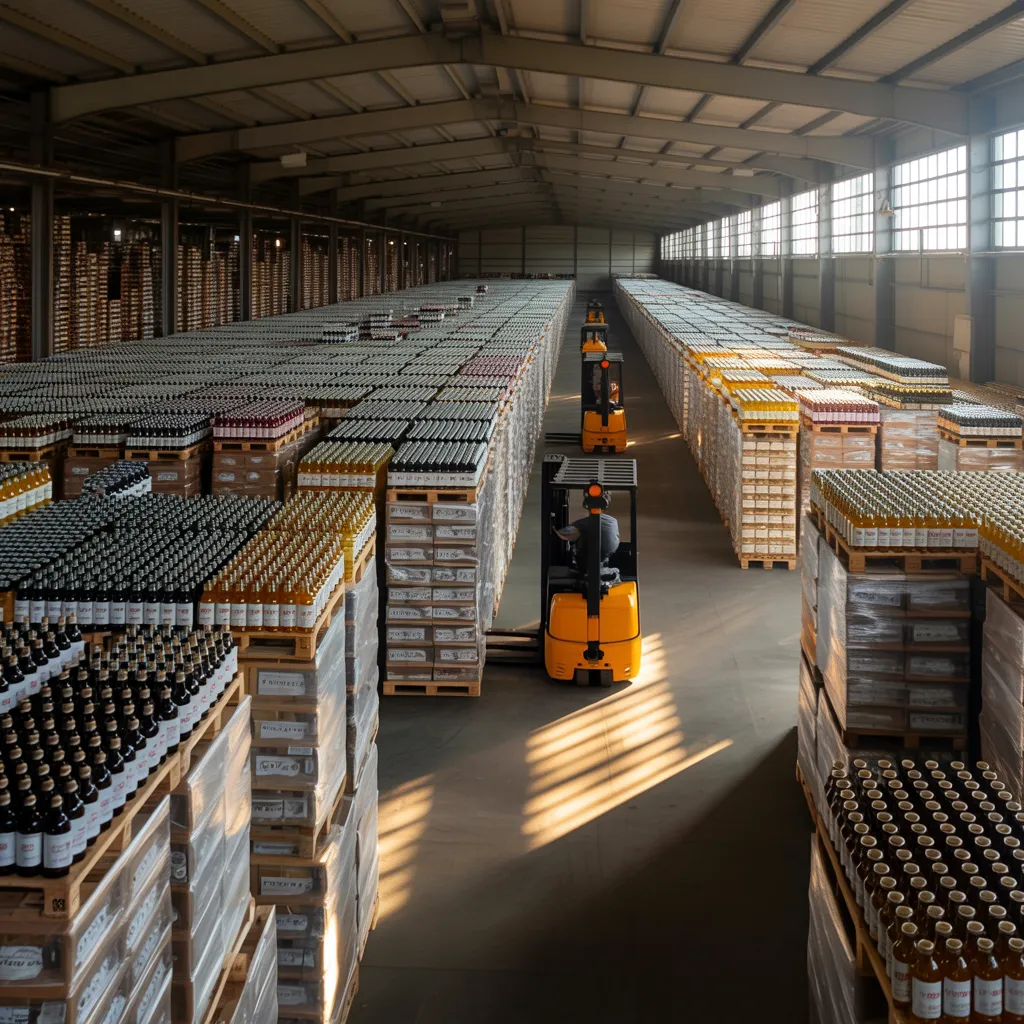
What Makes Glass Packaging the Right Choice for Your Brand
Choosing glass packaging can considerably elevate a brand's reputation and sustainability efforts. Companies that choose glass packaging demonstrate a pledge to superior standards and high-end consumer experiences, resonating with sophisticated customers who recognize the importance of design and utility. Glass offers a enduring and sophisticated look, enhancing a brand's recognizable image while providing a sensory experience that no alternative material can equal.
Additionally, glass containers project an image of purity and safety, as it is free from dangerous compounds frequently associated with plastic packaging. This option can draw in green-conscious customers who connect glass with ethical choices. Moreover, its robust construction supports reuse, further reinforcing a brand's dedication to sustainability.
In a market growing more conscious of ecological responsibility, adopting glass packaging can set a brand apart building consumer loyalty and strengthening brand trust. At its core, this strategic choice positions brands as leaders in sustainability and quality, aligning with modern consumer values.
The Environmental Benefits of Glass Bottles
Glass bottles offer considerable environmental benefits that distinguish them from other packaging materials. Glass bottles are completely recyclable, contributing to a closed-loop economy where materials can be reused indefinitely without compromising quality. This property greatly reduces the demand for new materials, consequently limiting natural resource extraction and energy usage linked to manufacturing.
Additionally, glass packaging is inert, meaning it does not release toxic substances into its stored materials, ensuring healthier consumption. In contrast to plastic, glass does not contribute to microplastic pollution, which is a rising environmental problem.
The manufacturing of glass bottles similarly results in lower greenhouse gas emissions compared to plastic alternatives. Thanks to innovations in manufacturing processes, energy efficiency has significantly improved, thereby reducing the environmental impact associated with producing glass.
Unique Designs That Transform Glass Packaging
Innovative patterns in glass containers are reshaping how products are perceived. Original silhouettes and configurations not only boost practicality but also attract consumer attention. Moreover, eye-catching color palettes further boost the overall appearance, making glass vessels distinguish themselves in retail spaces.
Exceptional Shapes and Structures
Innovative concepts in glass-based packaging not only elevate the overall look but also fulfill an important purpose in setting brands apart. Distinctive forms and designs can craft remarkable experiences for buyers, enabling products to capture attention on packed product displays. For example, bottles with asymmetrical shapes or geometric patterns can inspire intrigue and promote exploration. These unconventional forms often correspond with a brand's core values, reinforcing its message and values. Additionally, distinctive structures can elevate performance, such as easier handling or enhanced pouring. Brands that invest in creative glass designs project a strong focus on superior quality and green practices, appealing to sustainability-minded customers. By championing innovation in their packaging strategies, organizations can develop more profound ties with their target market, in turn promoting long-term loyalty and broadening their market reach.
Visually Striking Color Palettes
Vibrant color palettes are fundamental in elevating glass packaging design, turning everyday bottles into striking visual declarations. Through the thoughtful application of carefully selected colors, brands can evoke emotions and create memorable experiences for consumers. Bold colors can signify premium quality, whereas gentler shades can express refinement and elegance.
Moreover, the use of gradients and multi-toned designs creates depth and visual interest, capturing attention on busy shelves. Sustainability-driven practices further elevate the attractiveness; sustainable dyes and finishes appeal to environmentally aware consumers. In the end, the perfect color palette not only embodies a brand's character but also strengthens its dedication to sustainability, making glass packaging a powerful tool for differentiation in a competitive market.
How Can Glass Packaging Elevate Product Perception?
Glass packaging significantly elevates the perception of products through its premium feel and appeal, instilling a sense of elegance in consumers. The inherent transparency and optical clarity of glass offer consumers an unrestricted look at the product, strengthening the perception of quality. Furthermore, glass packaging supports environmentally responsible brand values, resonating with eco-minded consumers.
Superior Feel And Appeal
The use of glass packaging significantly enhances the recognized quality of a product, commonly connecting it with quality and elegance. Customers often link glass with high-end appeal, leading to improved brand commitment and favorable customer interactions. The tactile nature of glass, with its refined surface and heft, creates a luxurious sensation that plastic fails to reproduce. This tactile interaction creates a connection between the product and the consumer, nurturing an impression of excellence. Moreover, glass packaging reflects a focus on sustainability, attracting eco-aware consumers. Consequently, companies using glass packaging can present themselves as superior choices within their markets, drawing selective buyers who prioritize both visual appeal and responsible practices in their buying choices.
Visual Transparency And Clarity
When shoppers come across products in glass vessels, their perception is often enhanced by the intrinsic visual see-through quality it delivers. This transparency allows potential buyers to see the product inside, building a feeling of confidence and genuineness. The transparency of glass not only displays the product's excellence but also emphasizes its hue and texture, elevating the overall visual experience. Furthermore, the lack of label obstructions on transparent glass lets the product become the focal point, generating a more immersive report purchasing journey. Glass vessels can uplift brand standing by expressing a devotion to quality and skill. This visual clarity ultimately influences consumer decisions, encouraging a deeper emotional connection with the product and the brand.
Environmentally Conscious Brand Positioning
Environmentally aware brands employ glass packaging to reinforce their commitment to sustainability, meaningfully improving the way consumers view their products. Glass projects an image of quality and authenticity, establishing a superior benchmark against plastic options. This material not only emphasizes the ecological values of a brand but also appeals to consumers who prioritize environmentally responsible choices. The physical sensation of glass—its heft and feel—additionally enhances the perceived worth of the product. Moreover, the ability to recycle glass resonates with the rising consumer expectation for eco-friendly practices, strengthening consumer allegiance. By choosing glass, brands not only showcase their dedication to the environment but also present their products as top-tier selections, thus building a favorable reputation in a crowded market.
Success Stories of Brands Using Glass Packaging
Numerous brands are succeeding by adopting glass packaging, highlighting its attractiveness to buyers and pledge to sustainable practices. For instance, a well-known beverage company shifted to glass bottles, leading to a 30% increase in sales within a year. The change not only improved product visibility on shelves but also appealed to eco-conscious consumers, reinforcing the brand's sustainability message.
One other skincare brand effectively transitioned to glass containers, considerably boosting its luxury brand perception. This shift attracted a loyal customer base that prioritizes both visual appeal and eco-conscious practices. Moreover, an artisan brewery adopted reusable glass growlers, building brand loyalty while minimizing waste. These examples demonstrate that glass packaging not only meets market needs for environmentally responsible choices but also strengthens brand recognition and competitive standing. Such strategic choices underscore an expanding movement among brands aiming to incorporate green principles into their strategies while appealing to modern consumers.
Ways to Tackle Challenges in Glass Packaging
Steering through the complexities of glass packaging requires creative approaches and a keen understanding of the market. Businesses often face challenges such as costly production processes, heavy material considerations, and fragility. To tackle these, companies can implement innovative fabrication processes that reduce waste and boost structural resilience. Working alongside suppliers to source eco-friendly materials also reduces environmental impact while resonating with eco-aware consumers.
Another challenge is the logistics of transportation, given glass's weight. Adopting intelligent logistics strategies, encompassing improved shipping methods and efficient packaging solutions, may lower costs and secure product integrity throughout shipping. Moreover, informing customers about the advantages of glass compared to plastic may cultivate customer loyalty and boost market demand. By embracing these strategies, businesses can overcome obstacles in glass packaging and position themselves as leaders in sustainable practices, thereby strengthening their brand reputation and market standing.
Emerging Trends in Sustainable Glass Packaging
As the demand for sustainable packaging continues to rise, the glass packaging industry is poised for transformative changes. Innovations in manufacturing processes are expected to enhance energy efficiency, minimizing the carbon emissions tied to glass production. Moreover, the integration of lightweight glass bottles will establish itself as a major trend, lowering transit emissions while upholding product standards.
Recycling initiatives will become more robust, with increased collaboration between industry leaders and civic authorities to enhance the collection and processing of glass. Furthermore, the embedding of advanced technology in packaging solutions will facilitate improved clarity throughout the supply chain, enabling brands to showcase their sustainability efforts effectively.
Growing consumer demand for sustainable products will further accelerate the creation of customizable, aesthetically pleasing designs, blending practicality with aesthetic charm. As brands prioritize sustainability, the glass packaging sector is set to redefine its approach, aligning with broader environmental goals and meeting the expectations of a conscientious consumer base.
Common Questions and Answers
What Are the Costs Involved With Glass Packaging as Opposed to Plastic?
Glass-based packaging commonly involves greater expenses owing to production, distribution, and recycling demands compared to plastic. That said, it delivers eco-friendly benefits and stronger brand positioning, making it a worthwhile investment for certain companies.
How Can I Customize Glass Bottles for My Brand?
Businesses are able to personalize glass bottles through unique shapes, colors, and finishes. Printed designs, engravings, and labels enhance brand recognition. Working alongside vendors secures adherence to eco-friendly initiatives without compromising aesthetic appeal and functionality.
What Specific Regulations Apply to Glass Packaging?
Certainly, dedicated regulations for glass packaging have been established, differing across regions. These cover safety standards, labeling requirements, and recycling guidelines, guaranteeing consumer safety and environmental responsibility while encouraging sustainable practices in packaging manufacturing and distribution.
What Are the Top Best Practices for Recycling Glass Bottles?
For effective glass bottle recycling, people should clean them out to eliminate any residue, take off the caps, and organize them according to color. Additionally, they should check local guidelines for specific recycling protocols and drop-off locations to make certain they are processed appropriately.
How Does Glass Packaging Affect Shipping and Logistics?
Glass packaging significantly impacts shipping and logistics by adding weight and fragility, requiring careful handling and specialized transport solutions. This can lead to higher costs and more complex supply chain management when compared to lighter and more resilient materials.